Is Fire Retardant Plywood Worth the Cost? Pros, Cons & ROI
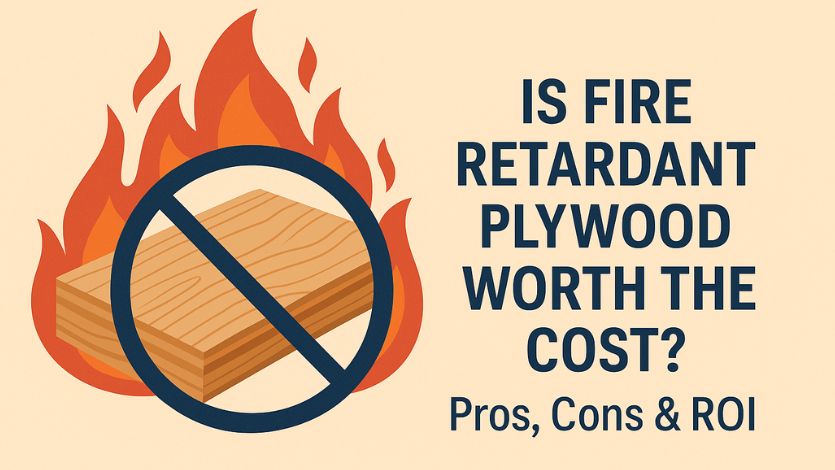
Choosing the correct building material is a crucial decision, particularly when it comes to safety. Fire retardant plywood has been a popular choice among homeowners, contractors, architects, and commercial builders seeking stronger fire-resistant structures. The benefits, downsides, long-term worth, and return on investment are all discussed in length below.
What Is Fire-Retardant Plywood?
Fire-retardant plywood has a close approach to the treatment of fire-resistant chemicals, limiting the fire propagation. Such a type is pressure impregnated, whereas conventional plywood is not, which makes it more resistant to flames, smoke, and heat. It is slower to ignite, it generates less smoke also, and we have more time to evacuate in case of an emergency. This was the reason why most building codes, especially those in commercial and public buildings, highly recommend or require fire retardant plywood.
Key Benefits of Fire-Retardant Plywood
1. Improved fire safety.
The primary benefit is increased safety. Buildings constructed using Fire Retardant Plywood have a higher chance of survival during a fire. It slows combustion and prevents rapid flame spread, thus safeguarding both property and human life.
2. Improved structural stability during heat.
Ordinary plywood weakens quickly in the presence of fire; treated plywood retains its strength for longer periods of time. This stability helps to prevent structural collapse and property damage.
3. Reduced smoke generation.
Smoke inhalation is a leading cause of fire-related mortality. Fire-retardant plywood releases substantially less smoke than untreated wood, providing a safer environment during crises.
Potential Drawbacks of Fire-Resistant Plywood
1. Increased Initial Cost
The primary disadvantage is the cost. Fire-retardant plywood is more expensive than conventional plywood because of the treatment process. However, the long-term benefits frequently justify the increased investment.
2. A slight weight increase
Because of the chemical treatment, plywood may be slightly heavier. This is not a problem for the majority of projects, but it is something to remember.
3. Needs Trusted Manufacturers.
Not all fire-retardant products are produced to the same quality requirements. Using inferior plywood may jeopardize fire resistance. To ensure safety, always buy from a reputable and certified manufacturer.
Is it worth the cost?
When it comes to price versus protection, Fire Retardant Plywood provides a great return on investment. Here's why.
1. Reduced risk of property loss.
A structure fire can inflict extensive damage. A minor upfront investment in fire-resistant materials dramatically reduces risk and harm.
2. Reduced insurance premiums
Many insurance firms offer lower premiums for structures built using fire-safe materials. This makes Fire Retardant Plywood economically sound in the long run.
3. Higher Real Estate Value
Properties built with advanced safety features often sell faster and at better prices. Buyers prefer structures that prioritize safety.
Return on Investment (ROI)
Safety ROI
You get more evacuation time, a stronger building during a fire, and a lower chance of harm. This alone makes Fire Retardant Plywood very useful.
Financial ROI
You save on:
- Insurance Premiums
- Repair or rebuilding costs
- Future maintenance owing to increased durability
- Over time, the larger initial expense simply balances out.
Why Do Builders and Homeowners Prefer Fire Retardant Plywood?
It promotes safety compliance.
- Reduces fire dangers.
- Increases durability and longevity.
- Enhances building quality and resale value.
- Ensures fewer maintenance issues.
In modern construction, safety is not an option; it is required. Fire Retardant Plywood serves an important function in ensuring safety.
Conclusion: Is it worthwhile?
Fire Retardant Plywood is a great investment for any construction project that demands safety, life span, and compliance. It has a noticeable degree of benefits, which significantly exceed the price gap and offer excellent protection and economic benefits in the long term. This plywood is the best choice if you prefer strong materials and fire resistance. GMG Plywood sells certified, durable, and highly dependable fire-resistant plywood. We offer quality for any building project. Call GMG Plywood and make your building a safer place.